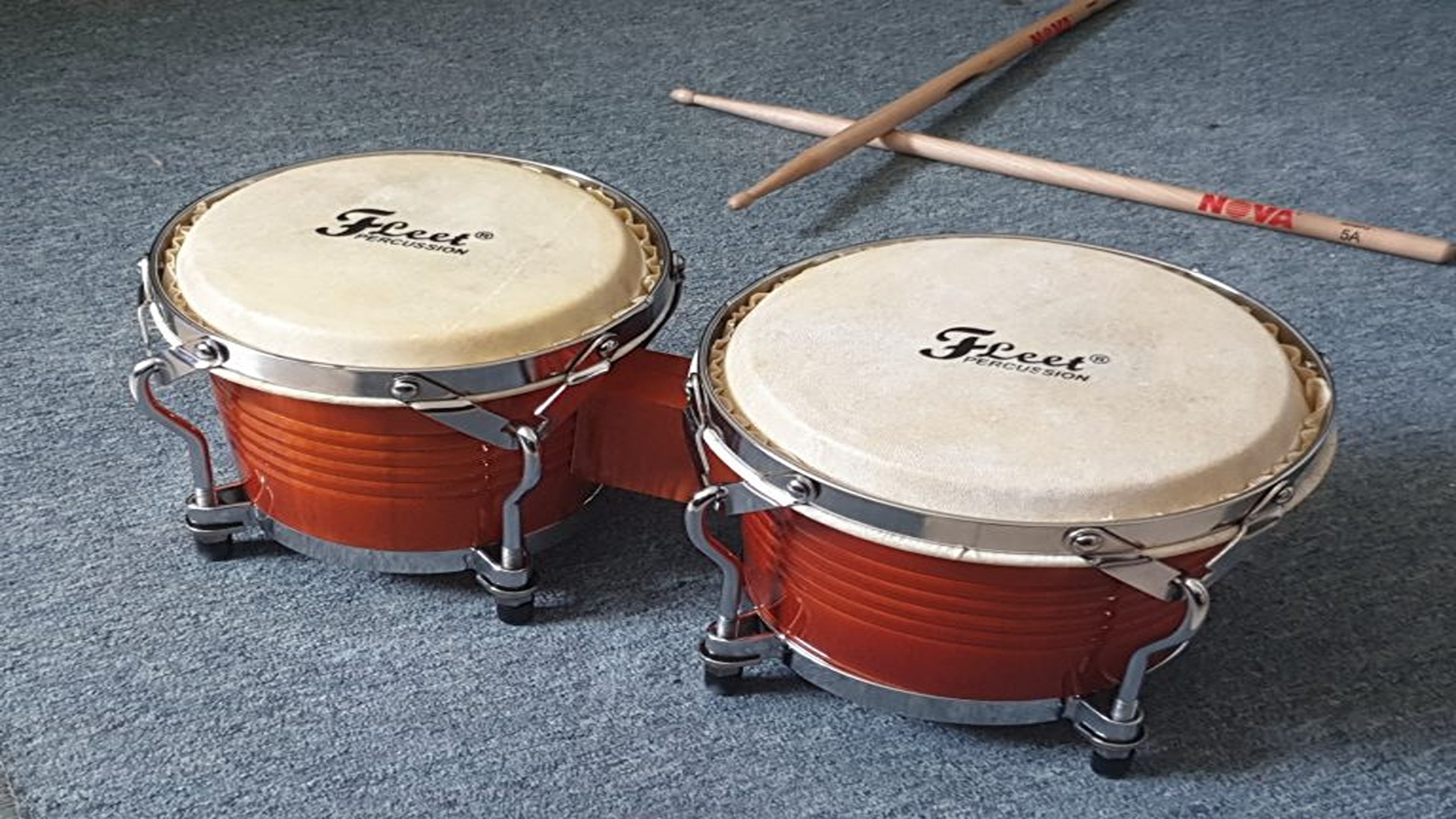
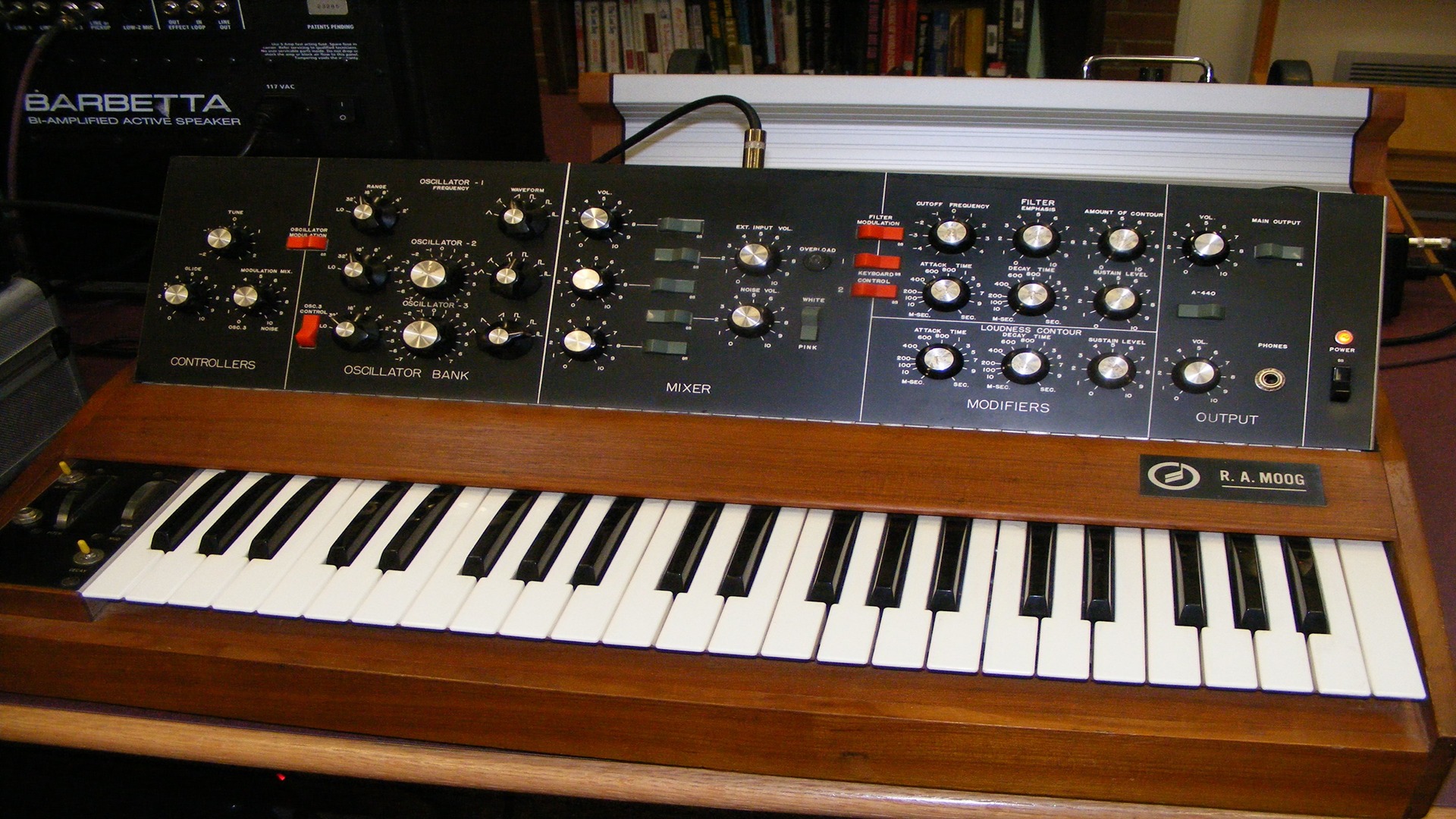
Afrofuturism music stems from the Afrofuturism and is a multidisciplinary cultural aesthetic, philosophy, and genre blending African heritage with science fiction, technology, and fantasy to imagine liberated,,, hopeful futures for Black life. The word was coined in 1993 and it explores the African diaspora through art, literature, music, and fashion to recontextualize the past and reclaim agency. Emerging from African-American science fiction, it was shaped by writers like Octavia Butler and Samuel R. Delany and musicians such as Sun Ra, who blended outer space themes with Egyptian mythology. Afrofuturism within music represents a diaspora of music that is non-traditional, focusing on the topic of blackness, space, and technology. It heavily features the artificial sounds of synthesizers and drum machines while incorporating lyrical themes of black history and cultural pride, progress, spirituality, and science fiction. One of the earliest examples of this aesthetic can be seen in the film Space Is the Place which depicts the free jazz band of Sun Ra involved in a science fiction plot where the musician starts preparing a group of young black folks to colonize an outer planet, thus giving birth to a new afro-centric civilization in another planet. Studies on Afrofuturistic music highlight the genre’s challenging of sonic norms by blending elements found in Hip-Hop, Jazz, R&B, Funk, and Electronic music. Melting together different sounds and cultures with Afrofuturist music emphasizes the otherworldly, alternative nature that defines most Afrofuturist works. When performed live, the genre has been observed to combine distinct sounds and sound cultures across the African Diaspora. Jamaican-American party host, DJ Kool Herc, was a well-renowned DJ in the 1970s. He was one of the many disc jockeys on the 70s New York music scene responsible for mixing Jamaica’s signature hefty, booming sound systems with R&B and Rap, bass-heavy African American genres. This combination maximized audience immersion and storytelling capabilities. Present-day Afrofuturistic musicians, such as Hip-Hop duo, Outkast, and Jazz composer, Nicole Mitchell, have traces of DJ Kool Herc’s multi-cultural influences in their song arrangements and performances, utilizing his signature beat isolation and sound systems decades later. Contemporary Afrofuturism often explores metaphysical areas such as “cosmogony, cosmology, and speculative philosophy”. A new generation of recording artists has embraced Afrofuturism through their music and fashion, including Solange Knowles, Rihanna, and Beyoncé. Other artists such as Erykah Badu, Missy Elliott and Janelle Monáe have expanded on these themes incorporating the use of cyborg and metallic visuals into their style. Other 21st century musicians who have been characterized as Afrofuturist include singer FKA Twigs, musical duo Ibeyi, musical artist Spoek Mathambo, DJ/producer Ras G, and musician and filmmaker Flying Lotus. Janelle Monáe’s work emphasizes Afofuturist themes in urban contemporary music. Her notable works include the music videos “Prime Time” and “Many Moons”, which explore the realms of slavery and freedom through the world of cyborgs and the fashion industry. She is credited with proliferating Afrofuturist funk into a new neo-Afrofuturism by use of her Metropolis-inspired alter-ego, Cindi Mayweather, who incites a rebellion against the Great Divide, a secret society, in order to liberate citizens who have fallen under their oppression. This ArchAndroid role reflects earlier Afrofuturistic figures Sun Ra and George Clinton, who created their own visuals as extra-terrestrials beings rescuing African-Americans from the oppressive natures of Earth. Other influences include Blade Runner and Star Wars. Additionally, Monáe expanded contemporary Afrofuturist explorations to literary media. In 2022, Monáe released a companion to her 2018 album, Dirty Computer, called The Memory Librarian: And Other Stories of Dirty Computer. Janelle Monáe uses technology to shed light on current social and political issues which is a key factor of Afrofuturism. This is evident in The Memory Librarian: and Other Stories by Dirty Computer. The first example of technology being used as a warning of what is to come if we do not proceed with caution and change our current socio-political climate, as well as a symbol for future and current ways of oppression. In this story, technology is used to wipe memories. Hence, its victims are reborn without knowing their past selves, only what they have been conditioned to believe according to the “Standards”. Those who are in minority groups, such as BIPOC and the LGBTQ+, are seen as “Dirty” and must be wiped clean. Monáe expands on this on page fourteen when Seshet goes out with Alethia, “With New Dawn, any gender nonconformity is enough to get you a deviant code appended to your number-dirty computer, recommended for urgent cleaning- and she doesn’t want to flag anyone tonight”. The “urgent cleaning” that Seshet contemplates is wiping out one’s memory. This is shown visually in her short film Dirty Computer. Monáe highlights how oppressors can easily use technology to control the oppressed. The other two examples of how Monáe uses technology to showcase the relationship between humans is how AI is utilized in a more technologically advanced way as well as Seshet, the Director Memory Librarian, amongst others in an authoritative position able to access people’s dreams and memories as a way to ensure they follow the “Standards” and are not classified as a “Dirty Computer”. Monáe’s artistic vision extends beyond mere entertainment, serving as a reflection of present realities and a cautionary tale for the future. By embracing Afrofuturist themes and leveraging technology as a narrative device, Monáe invites audiences to confront uncomfortable truths and contemplate the potential consequences of unchecked power and systemic injustice. Through her music and storytelling, Monáe continues to use artistic expression to challenge societal norms for a more equitable and inclusive future. Additional musical artists to emerge since the turn of the millennium regarded as Afrofuturist include dBridge, SBTRKT, Shabazz Palaces, Heavyweight Dub Champion, and Drexciya (with Gerald Donald). Other artists include visual artists Hebru Brantley as well as contemporary artist Rashid Johnson, a Chicago native currently based in New York. In 2013, Chicago resident Ytasha L. Womack wrote the study Afrofuturism: The World of Black Science Fiction and Fantasy, and William Hayashi has published all three volumes of his Darkside Trilogy which tells the story of what happens in America when the country discovers African Americans secretly living on the backside of the moon since before the arrival of Neil Armstrong, an extreme vision of segregation imposed by technologically advanced blacks. Krista Franklin, a member of University of Chicago’s Arts Incubator, is currently exploring the relation between Afrofuturism and the grotesque through her visual and written work with weaves and collected hair. Recently, she also created an audio narrative in collaboration with another Afrofuturist, Perpetual Rebel, called The Two Thousand and Thirteen Narrative(s) of Naima Brown, which explores the ideas of identity and transformation within the context of hair and African-American culture. The movement has grown globally in the arts. Afrofuturist Society was founded by curator Gia Hamilton in New Orleans. Artists like Demetrius Oliver from New York, Cyrus Kabiru from Nairobi, Lina Iris Viktor from Liberia, famed Nigerian-American solar muralist, Shala and Wanuri Kahiu of Kenya have all steeped their work in the cosmos or sci-fi. Today, Afrofuturism has been portrayed in popular movies like the feature film Black Panther (2018). American costume designer Ruth E. Carter brought her vision to life. To best represent her work, she borrowed ideas from true African designs. “To imagine the fictional African nation of Wakanda, without the influence of [European colonizers], Ms. Carter borrowed from indigenous people across the continent.” In early February 2021, it was announced that the companies of Idris Elba and his wife, Sabrina Dhowre, would be developing an Afrofuturist adult animated, sci-fi, series, tentatively titled Dantai, for Crunchyroll, which would be about a time when biotech has “created an ever-widening gap between the haves and have-nots”. The series was also described as an “afropunk sci-fi series”. I have made four Afrofuturism albums the first one I did around 2018 called Afro Cosmic Generation, the second one I made around 2019 called Space Lemonade, the third one I made about 2023 called 3 Moons Later and finally the fourth album I made last night in 2026 called The Ghettos Of Space. I’ll leave the visuals albums below but there will be a link to all four visual albums in a form of a playlist below too. I’ll be concentrating on the last album I made The Ghettos Of Space as it’s one album I have lined out coming out this month and some of my favs and different aspects to the sound of Afrofuturism. Here’s a tip for you if you know what is going where but be sure to number them I go up to seven and start with 1 and structure wise I do it as follows.
1-Drums
1- Synths
2- Drums
3-Bass
4-Synths
Hook-Synths
Hook – Synths
4-Synths
Hook-Synths
Hook-Synths
4-Synths
Hook-Synths
6-Synths
Hook – Synths
Hook – Synths
Hook2-Synths
Hook2-Synths
7-Synths


 Subscribe to my channel